Guatemala Shows Rare Maya Stucco Faces From El Mirador
On 18 November researchers in Guatemala presented a set of life-sized painted stucco heads from a single building at El Mirador. Three more turned up in the 2026 season. The team says no other known Maya structure has produced so many.
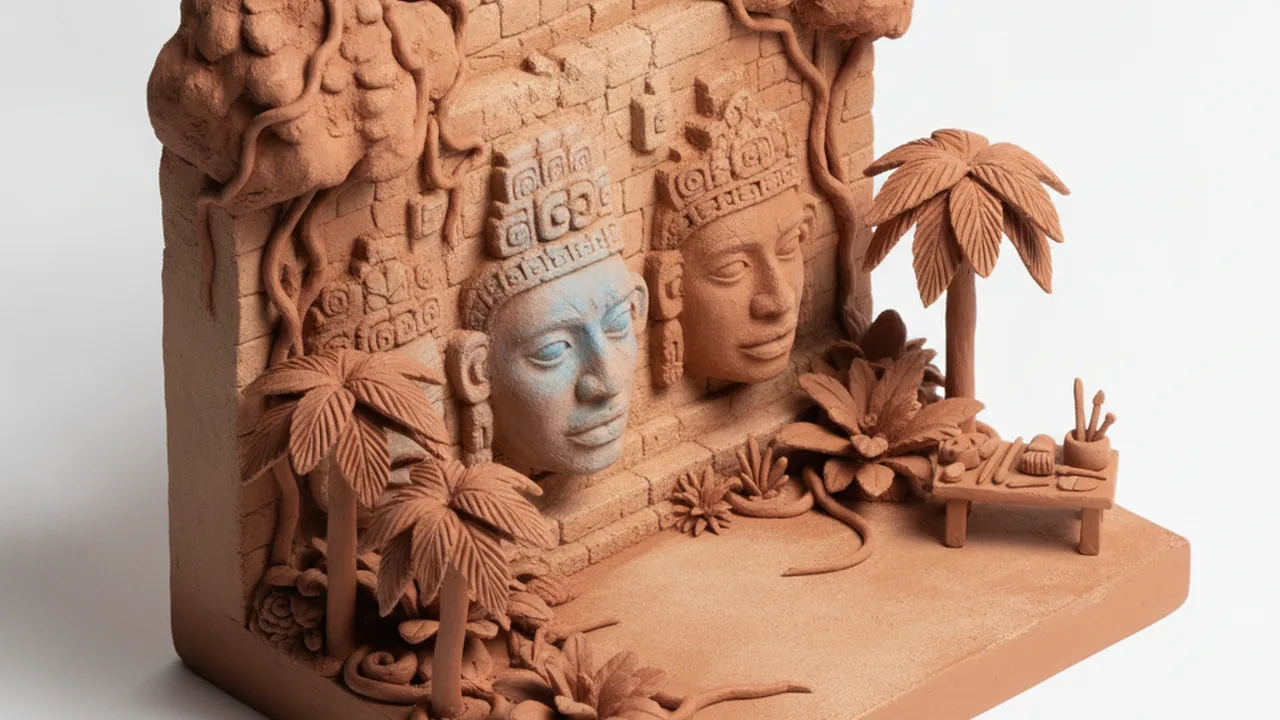
Key takeaways
- More than 30 painted stucco heads and fragments have come from one structure, the Building of the Faces in El Mirador's Casa del Coral group. Three were found in 2026.
- The heads date to the 7th and 8th centuries AD. Artisans modelled them in stucco over stone cores, and some still carry paint.
- More than 20 faces have been restored so far. The three new pieces need conservation before anyone can say who they show.
On 18 November 2026 the Mirador Basin Project, directed by Richard Hansen, presented its latest results in Guatemala. The headline was a group of expressive stucco heads, some smiling, some with furrowed brows. According to Reuters, the pieces date from the seventh and eighth centuries and come from digs carried out over the past decade. "There is not a single known example anywhere in the Mayan world of such a large number of sculptures recovered from a single structure," archaeologist Douglas Mauricio Martínez told the agency.
Guatemala's Prensa Libre adds that more than 35 ceramic vessels from the same excavations are being restored. Conservator Lilian Vega de Zea explained that the faces were modelled in stucco over stone projections built into the wall. Preparing the colours and mixing the plaster would have taken several people.
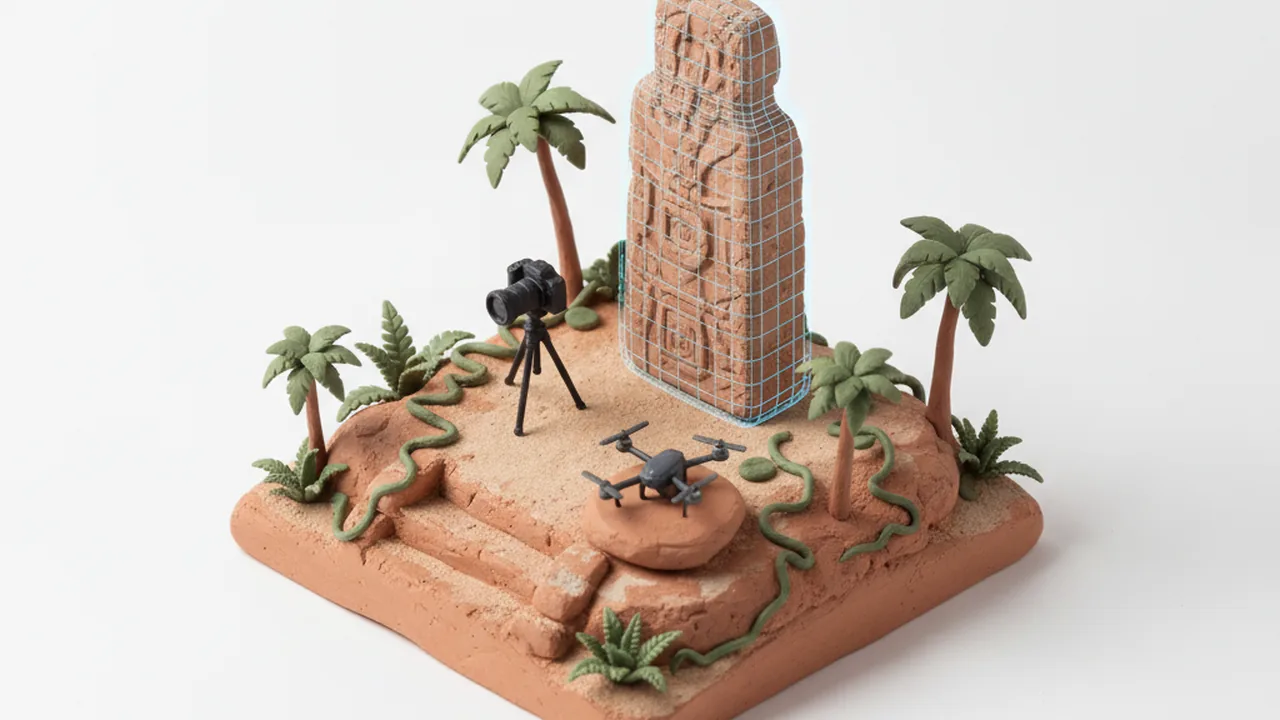
A collection like this arrives as dozens of pieces: noses, earspools, headdress fragments and flakes of pigment. Sorting which ones belong together is slow work, and it is where computer vision software development is being tested in heritage labs, with photogrammetry turning each fragment into a 3D model and matching tools suggesting possible joins. The El Mirador team describes photographs and drawings after restoration; it has not said it uses such tools.
What do the El Mirador faces show?
The faces show gods, supernatural beings and possibly members of the ruling elite. Earlier finds from the building have been identified as the Maya death god and one of the Paddler Gods, who carry the dead toward the underworld. The Building of the Faces (Edificio de los Rostros) stands in the Casa del Coral group, east of the huge La Danta complex, and excavations there began in 2012.
A female head with a water-lily headdress, nicknamed La Princesa Azul, still keeps traces of Maya blue pigment and may represent a member of a ruling family, as HeritageDaily summarised.
The researchers think the building was used for ceremonies linked to ancestors and funeral beliefs. The identities of the three new heads are not known yet. Restoration can take a year or more, so answers will come slowly.
Why does this matter beyond art?
Reuters noted that the heads show Maya artistic skill beyond the mathematics and astronomy the Maya are best known for. The two belong together. The same Classic-period cities that kept careful records of the Sun, Venus and the calendar also employed teams of sculptors, painters and plasterers. Our explainer on Maya astronomy covers how those sky records worked.
The Maya are not a lost people. Millions of Maya speakers live in Guatemala, Mexico and Belize today, and heritage work at sites like El Mirador is done with Guatemalan institutions. Some of the original heads are kept at Guatemala's National Museum of Archaeology in Guatemala City, and replicas were shown at the November presentation.
How is the wider Mirador Basin being mapped?
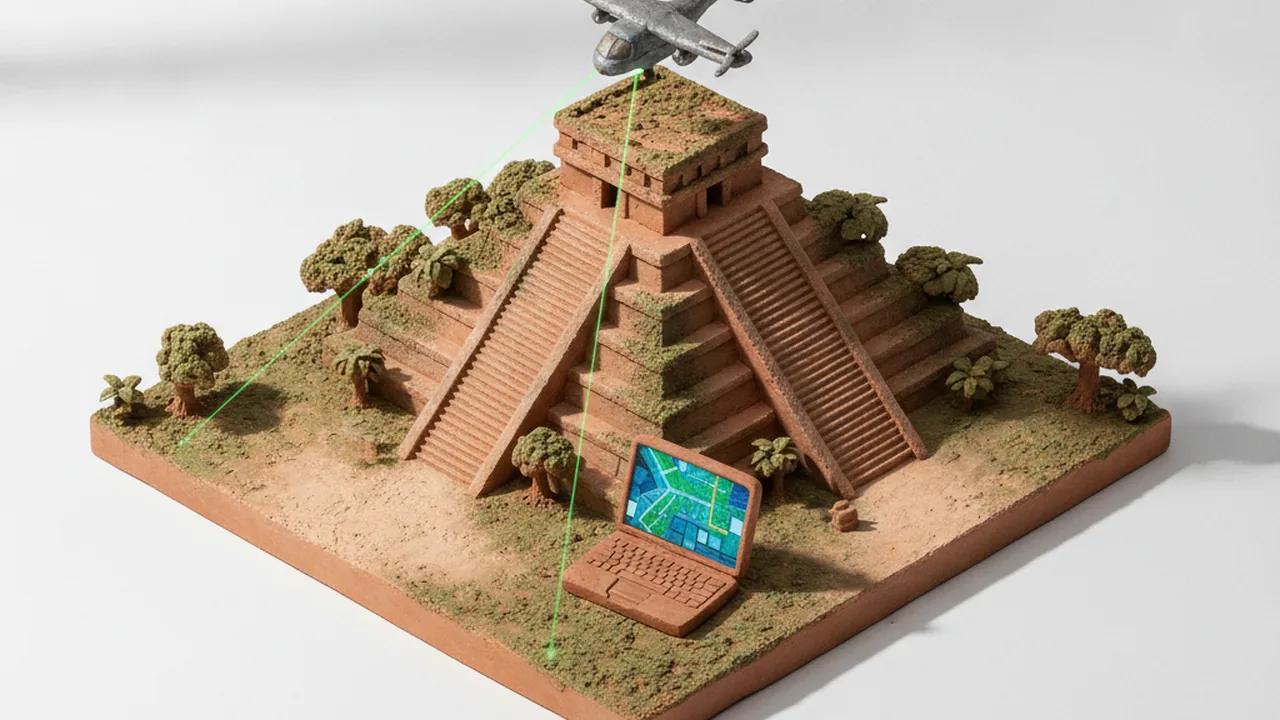
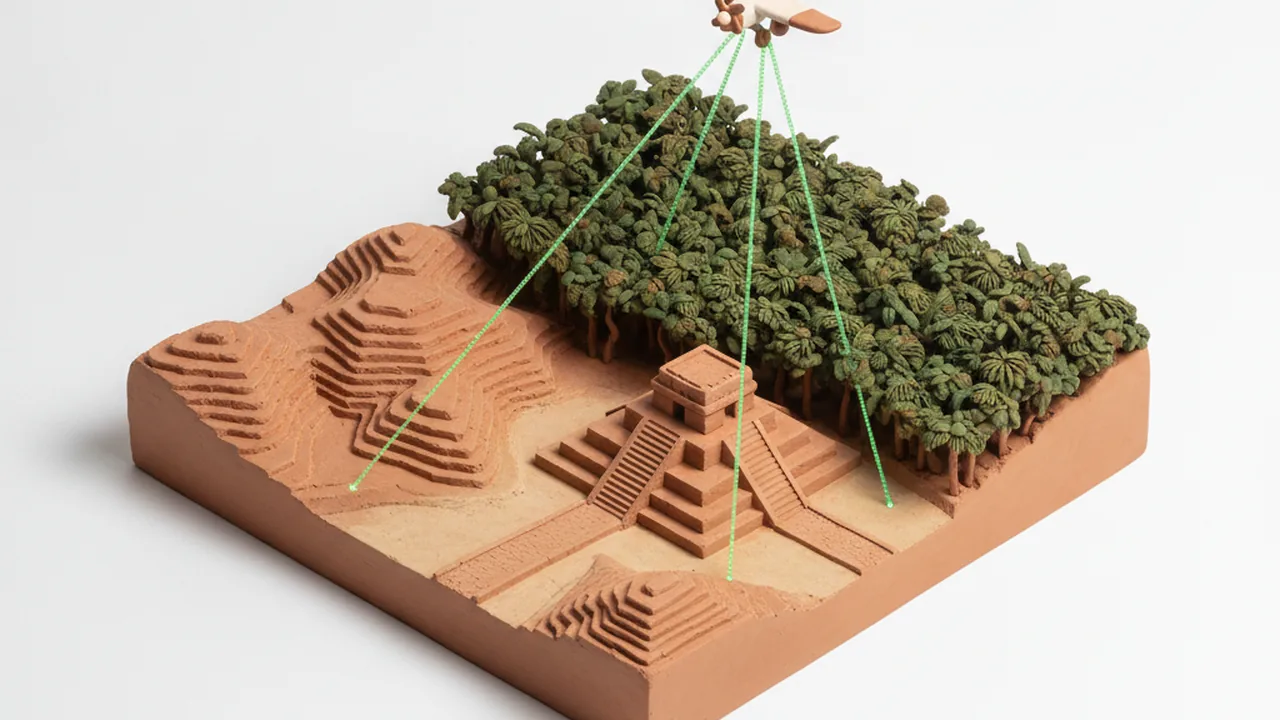
The faces were only part of the update. Prensa Libre reports that lidar, airborne laser scanning that sees through forest, has helped the project record 964 settlements in the basin and 177 kilometres of Preclassic causeways, including a 25-kilometre road between Tintal and El Mirador. Field crews still check every feature on the ground with GPS, compass and tape.
- Lidar finds platforms, roads and reservoirs under the canopy.
- Excavation recovers objects like the stucco heads and dates them.
- Conservation and recording stabilise each piece and document it before study.