Four ways into the ancient sky
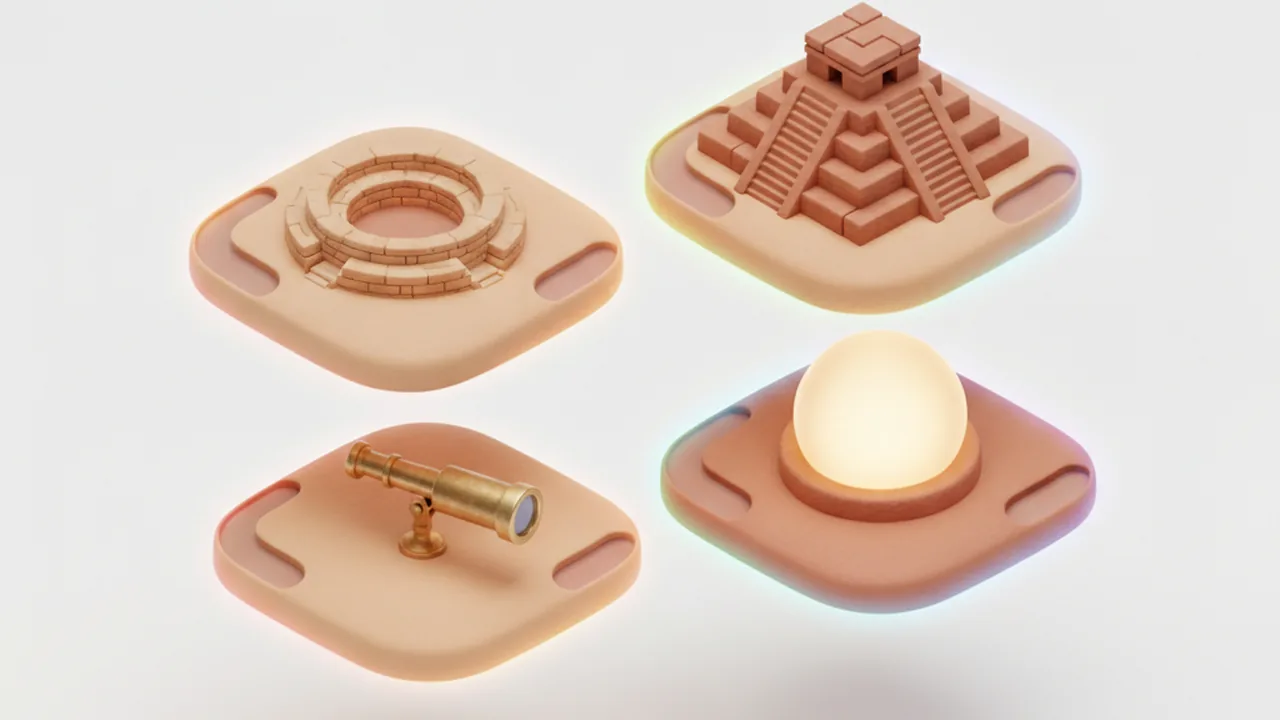
Pick a place, a method or a science. Each topic page gathers the articles, viewers, guides and short answers that belong together.
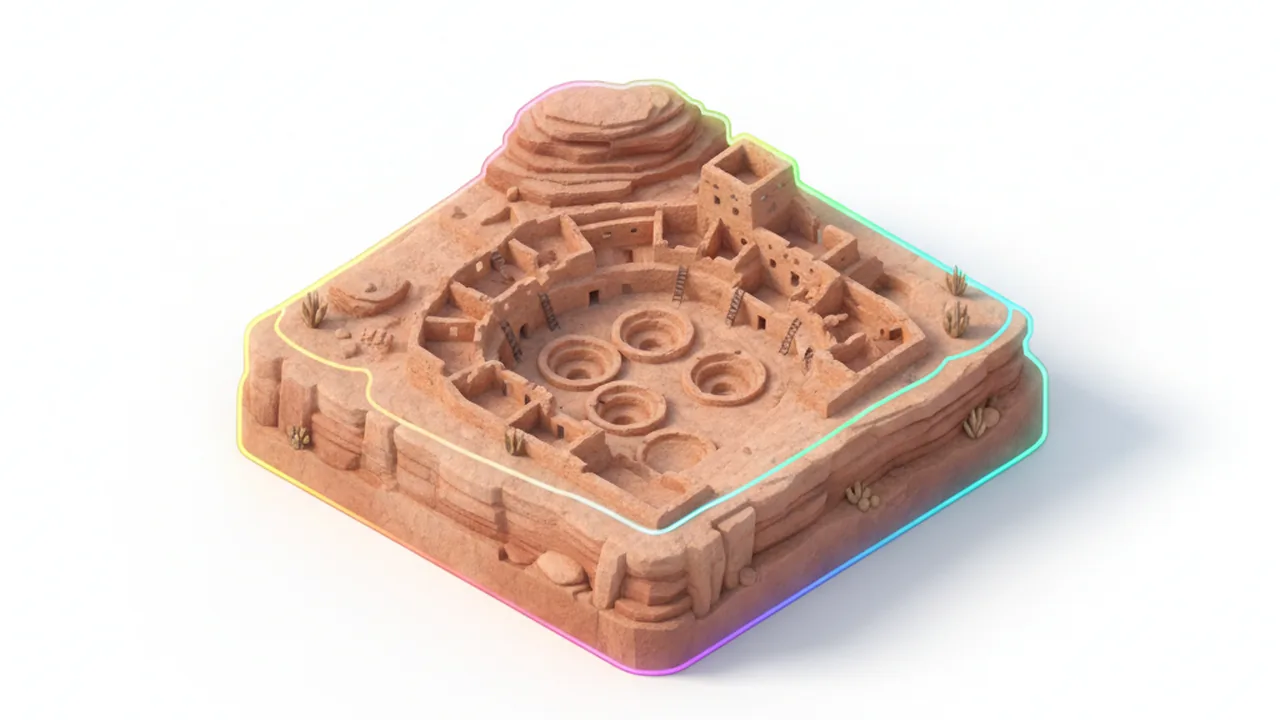
Chaco Canyon: a calendar built of stone and light
Between about 850 and 1150 CE, Ancestral Puebloans in north-western New Mexico laid out walls, kivas and roads along the lines of the Sun and the Moon. Start here.
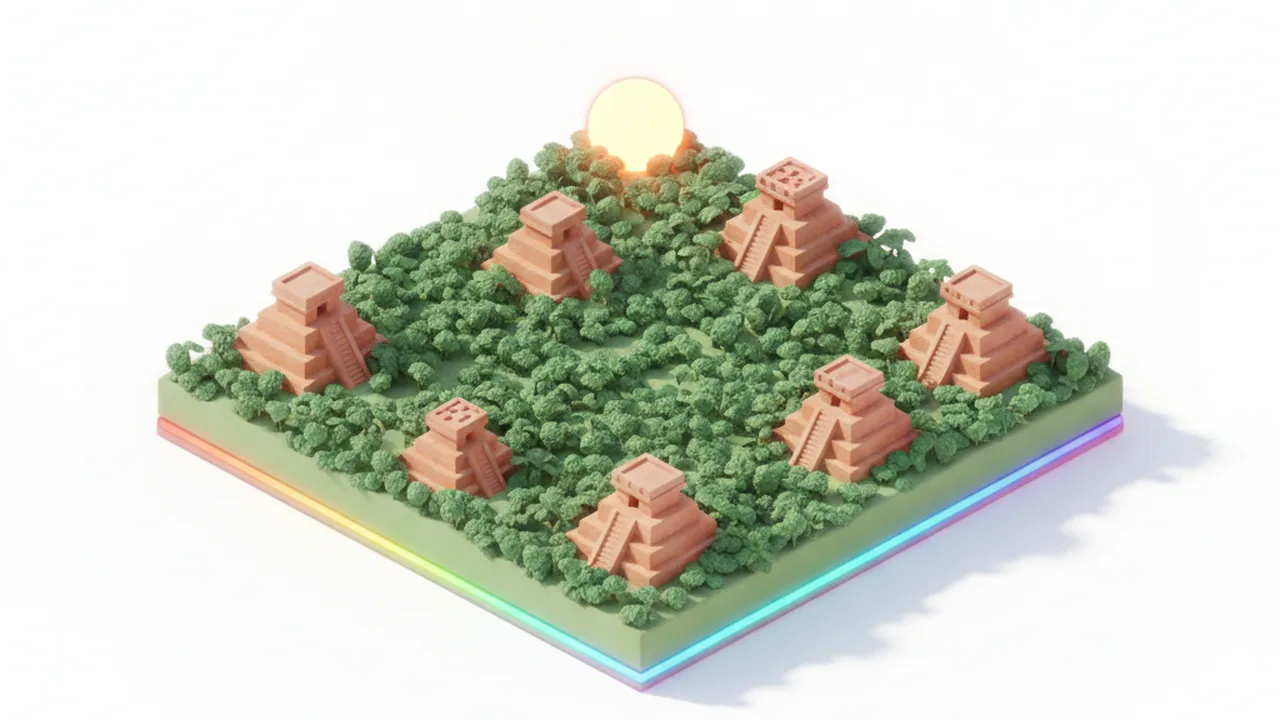
The Maya Yucatán: where cities were planned by the sky
On a flat limestone plain with a perfect horizon, Maya astronomers tracked the Sun, the Moon and Venus and wrote what they saw into calendars, books and buildings.
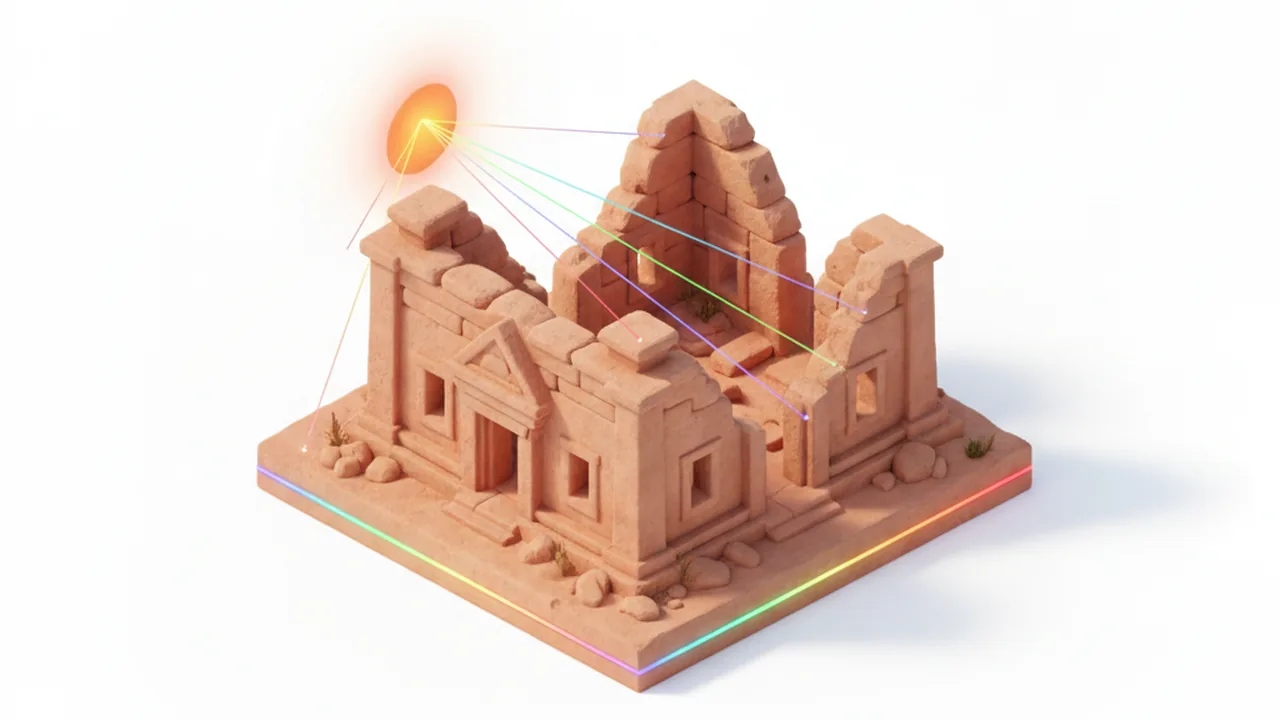
Archaeoastronomy: testing what the builders saw
Archaeoastronomy studies how past people understood the sky. Its core method is simple to state and hard to do well: measure, compare with the sky, and rule out chance.
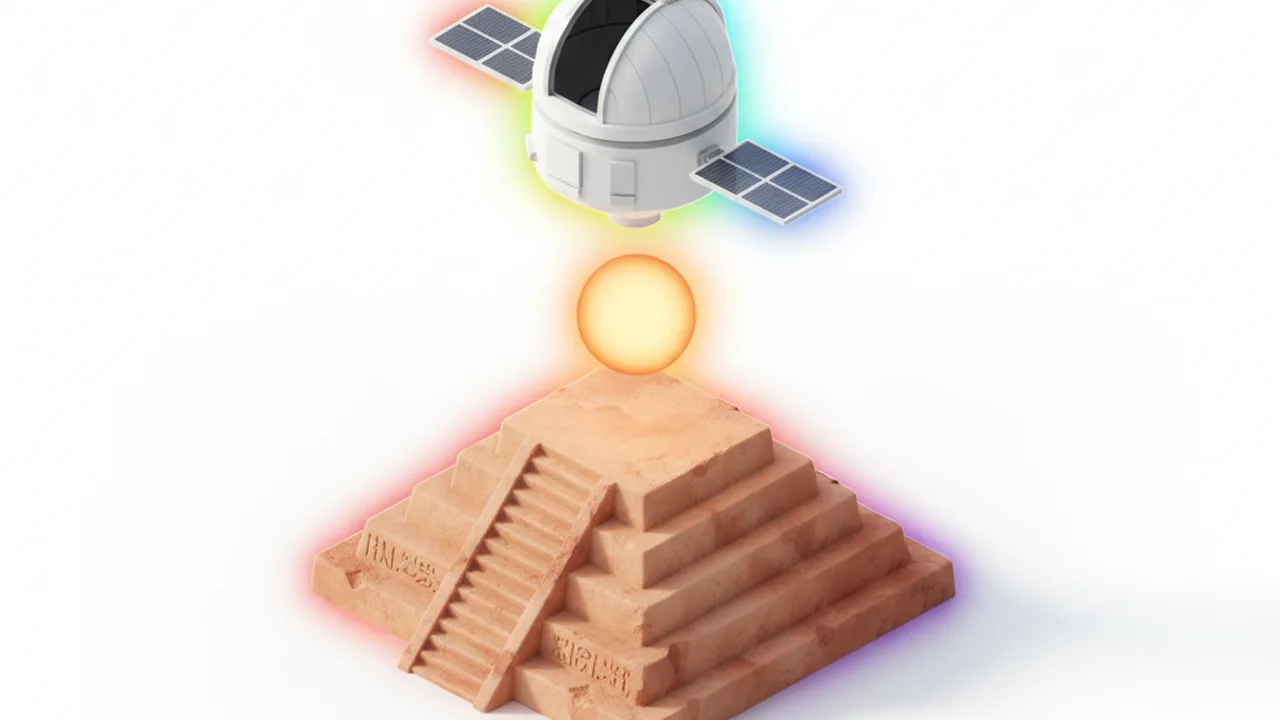
Solar science: the same Sun, seen with new tools
The Sun that marked planting days is also a magnetic, changing star. Here is what modern observers measure and how it connects to the ancient sky watchers.

See the sky the way they did
Open a viewer, pick a date and watch the sunrise point move along a real horizon. Then download the guides and take them outside.