Archaeoastronomy: testing what the builders saw
Archaeoastronomy studies how past people understood the sky. Its core method is simple to state and hard to do well: measure, compare with the sky, and rule out chance.
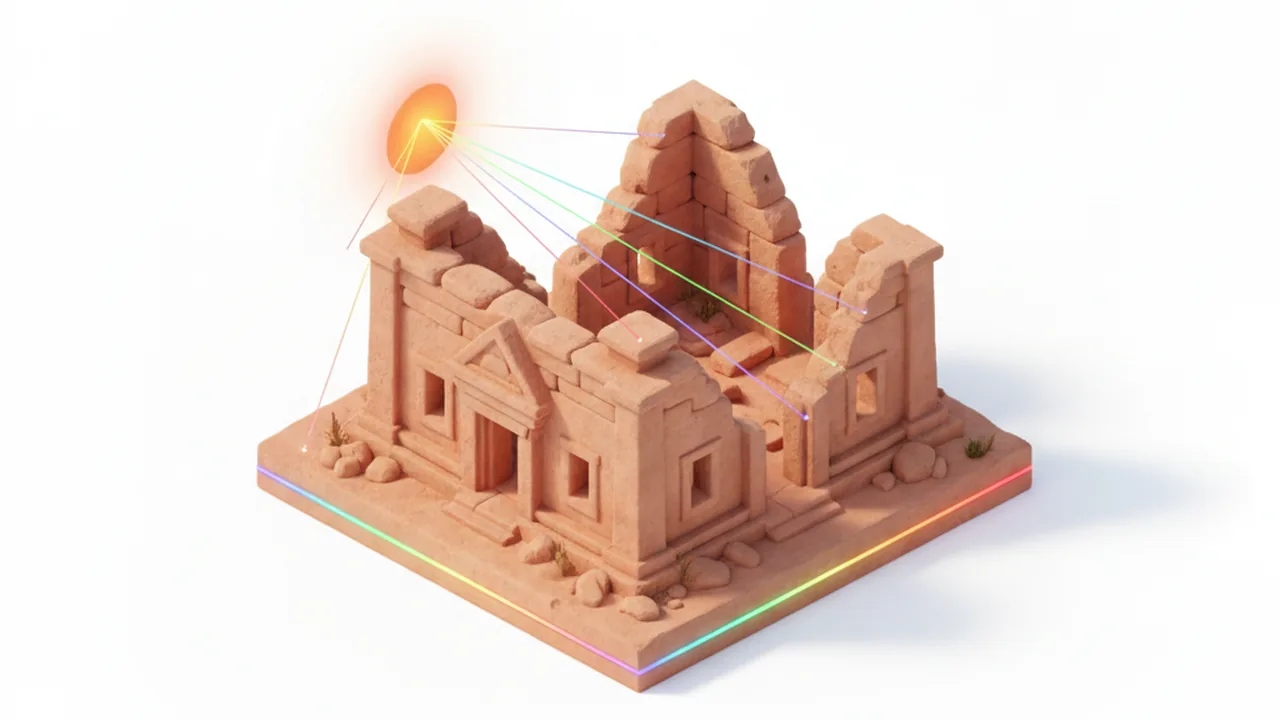
Measure the line
Survey the azimuth of a wall, doorway or window and the height of the horizon it faces.
Compute the sky
Calculate where the Sun, Moon or a planet rose at that place in that period.
Rule out chance
One match proves little. Patterns repeated across many buildings are what convince.
11 articles on Archaeoastronomy
Sourced field notes, each with key takeaways, a table and short answers.

Why the Sun Was Central to Ancient Civilizations
Before clocks, grids and electric light, the Sun set the terms of daily life. Food, time, authority and belief all followed its path, which is why so many cultures built their worlds around it.
What Are Ancient Solar Observatories? How Early Peoples Tracked the Sun
An ancient solar observatory is any place built or chosen to follow the Sun through the year. Some are towers and chambers. Others are a single rock and a well-known skyline.
Sun Worship or Sun Science? What Ancient Astronomers Really Knew
We often sort the past into believers and observers. Ancient sky watchers rarely saw it that way. Their rituals carried careful measurements, and their measurements served sacred purposes.
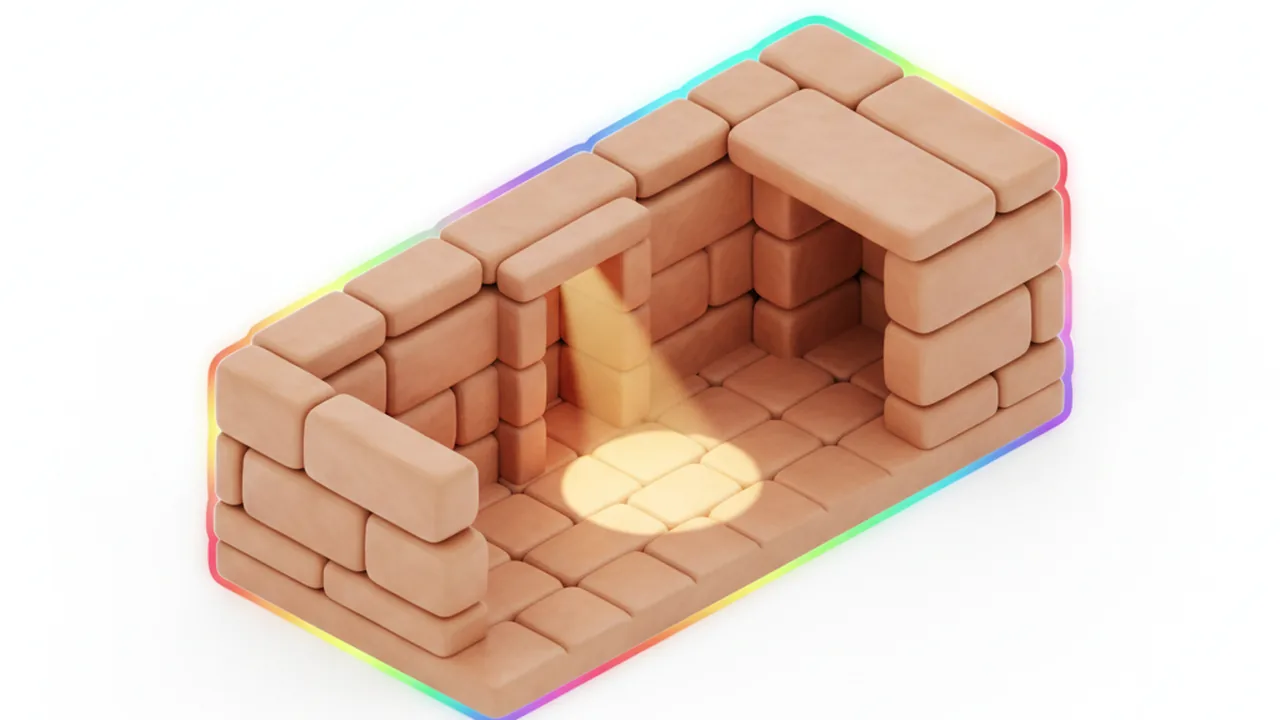
Solar Alignments in Ancient Architecture: Design, Accuracy, Doubt
A doorway that frames the solstice sunrise is easy to admire and harder to prove. Here is how builders achieved solar alignments, and how researchers decide which ones were meant.

How Ancient Sky-Watchers Predicted the Solstices and Equinoxes
The Sun seems to stand still at a solstice, which makes the day hard to pin down. Ancient observers solved it with landmarks, light and patient counting.
How Archaeoastronomers Test an Ancient Sun Alignment
Any building faces somewhere, and the Sun rises across a wide arc. Archaeoastronomy is the discipline of telling a deliberate alignment from a lucky one.
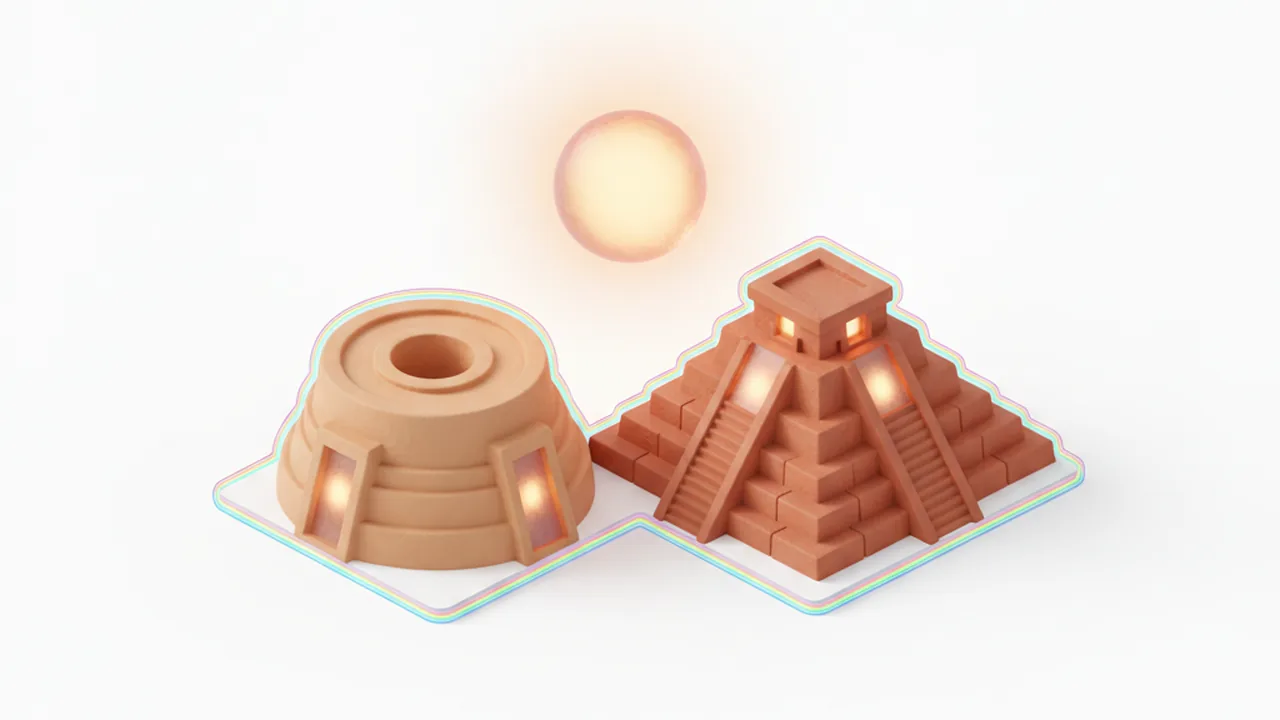
Why the Sun Is Sacred in Maya and Pueblo Traditions
The Maya of the Yucatán and the Pueblo peoples of the Southwest never met, yet both give the Sun a sacred place. Comparing them shows what is shared and what is distinctly their own.
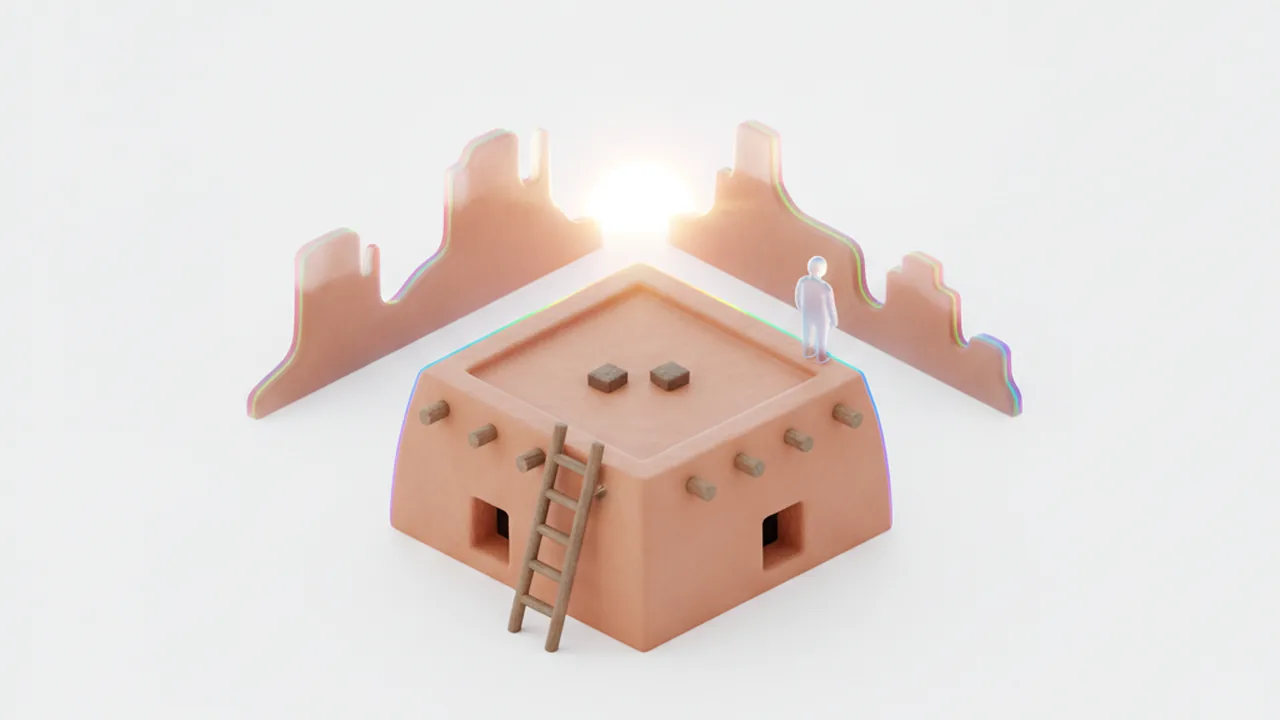
Native American Solar Practices: Watching the Sun Across a Continent
From Pueblo villages to the Great Plains and the Mississippi valley, the Sun has organised time, work and ceremony. Many of these practices are not history. They continue today.
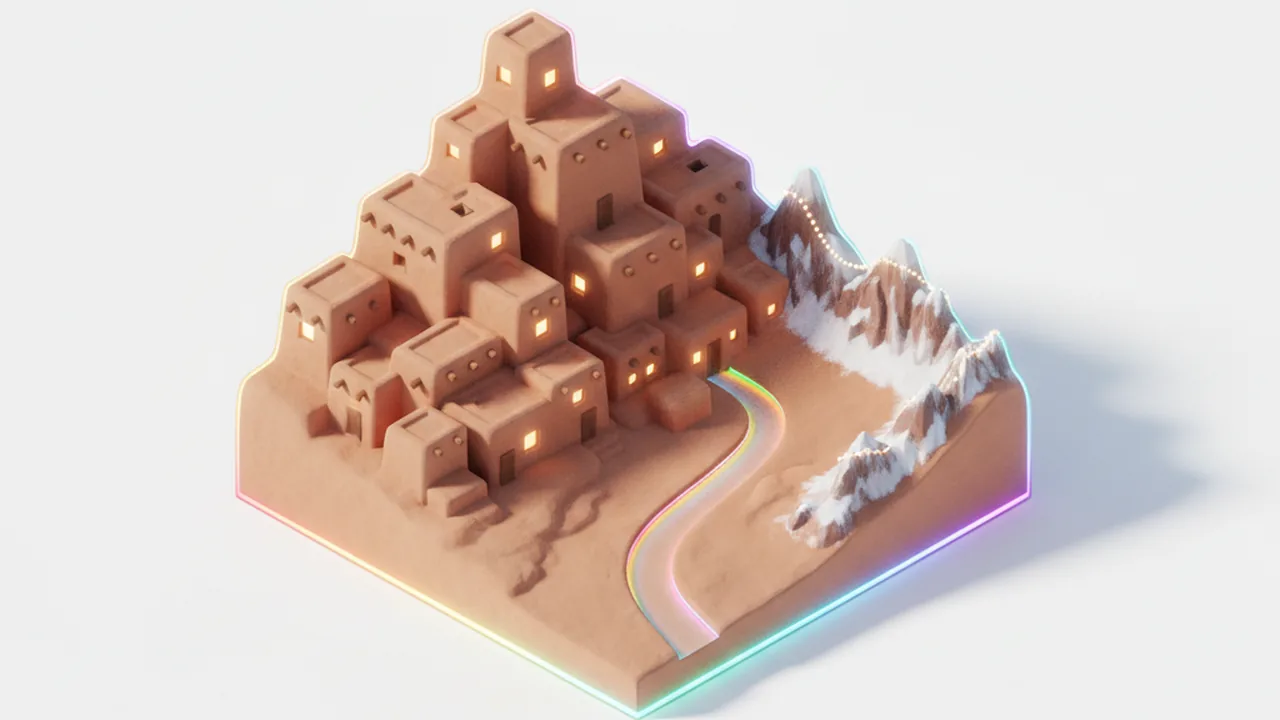
How Indigenous Knowledge Systems Read the Sun, Then and Now
Solar knowledge in the Southwest and the Maya world is not only a matter of ruins. It lives on in sun watchers, day-keepers and seasonal ceremonies.

Counting the Year: How Ancient Cultures Built Calendars From the Sun
Every solar calendar faces the same awkward fact: the year is about a quarter of a day longer than 365. How each culture handled that fraction says a lot about its priorities.
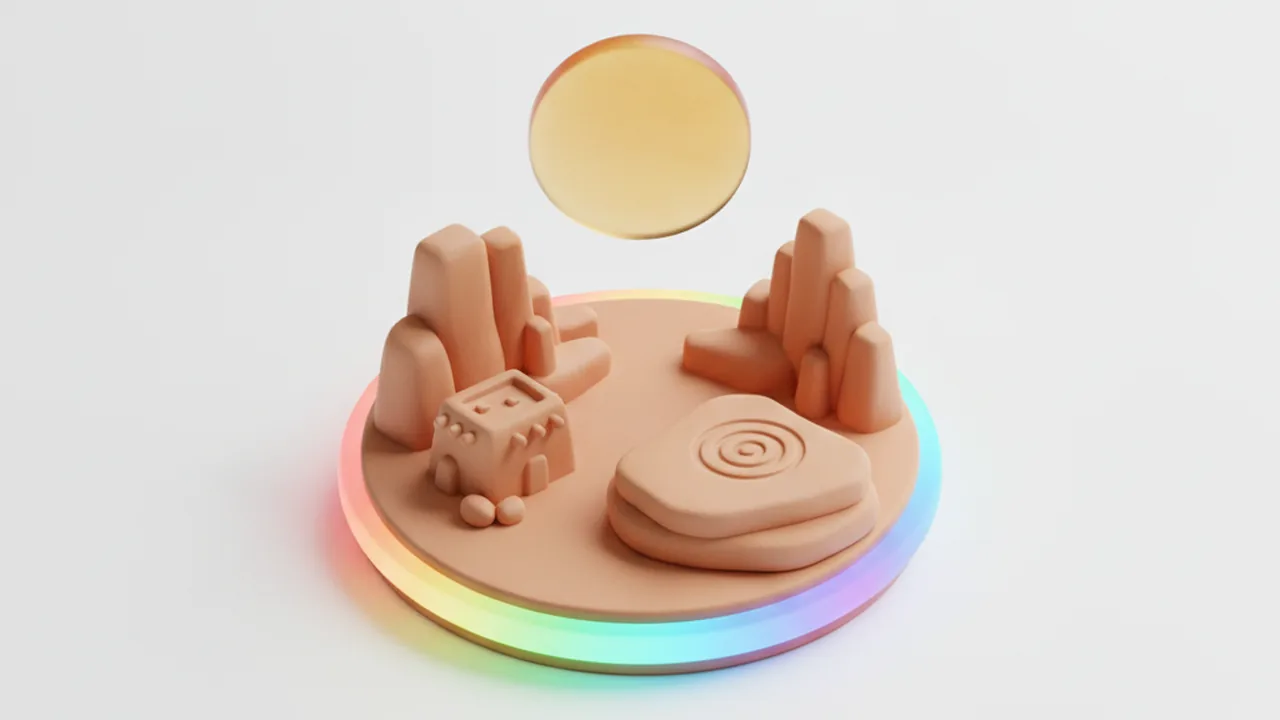
Sky Watchers of the Americas: The Astronomy Textbooks Leave Out
Most school histories of astronomy begin in Babylon and Greece. The Americas kept their own sky traditions, built from horizon watching, architecture and long counts of days.
Frequently asked questions
What is archaeoastronomy?
It is the study of how people in the past understood and used the sky, combining archaeology, astronomy and anthropology.
How do researchers know an alignment was intentional?
They look for repetition across many sites, cultural evidence such as calendars or inscriptions, and they test whether the match could have happened by chance.
Is archaeoastronomy the same as astrology?
No. Archaeoastronomy is an academic field that tests evidence. It studies past beliefs about the sky without endorsing them.
See the sky the way they did
Open a viewer, pick a date and watch the sunrise point move along a real horizon. Then download the guides and take them outside.