Chaco Canyon: a calendar built of stone and light
Between about 850 and 1150 CE, Ancestral Puebloans in north-western New Mexico laid out walls, kivas and roads along the lines of the Sun and the Moon. Start here.
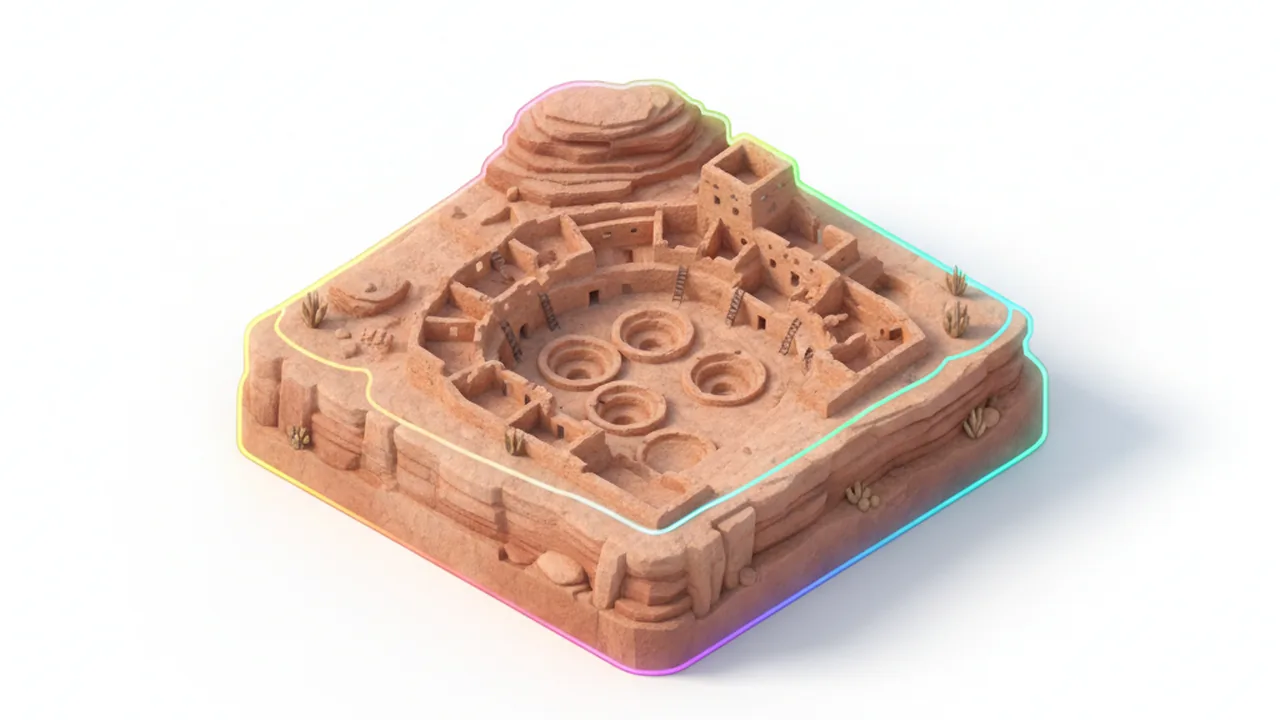
The Sun Dagger
Three slabs on Fajada Butte cast blades of light on a carved spiral at the solstices and equinoxes.
Cardinal walls
Pueblo Bonito has a wall close to north–south and a long south wall close to east–west.
The Moon’s long cycle
Some buildings may follow the 18.6-year lunar standstill. It is a strong but debated hypothesis.
3 articles on Chaco Canyon
Sourced field notes, each with key takeaways, a table and short answers.
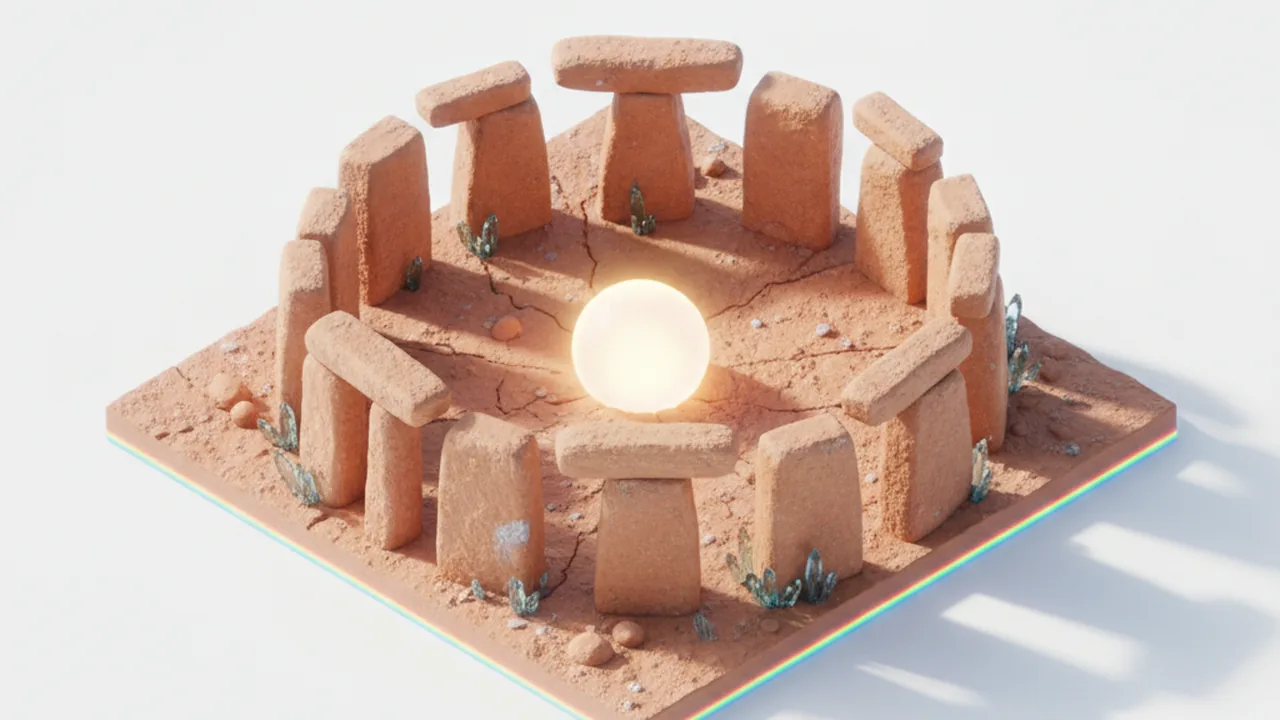
Stone That Keeps Time: How Builders Tracked the Sun's Path
A stone marker fixes a sightline for centuries. At Chaco Canyon, slabs, walls and spirals turned sunlight into a calendar that a whole community could read.
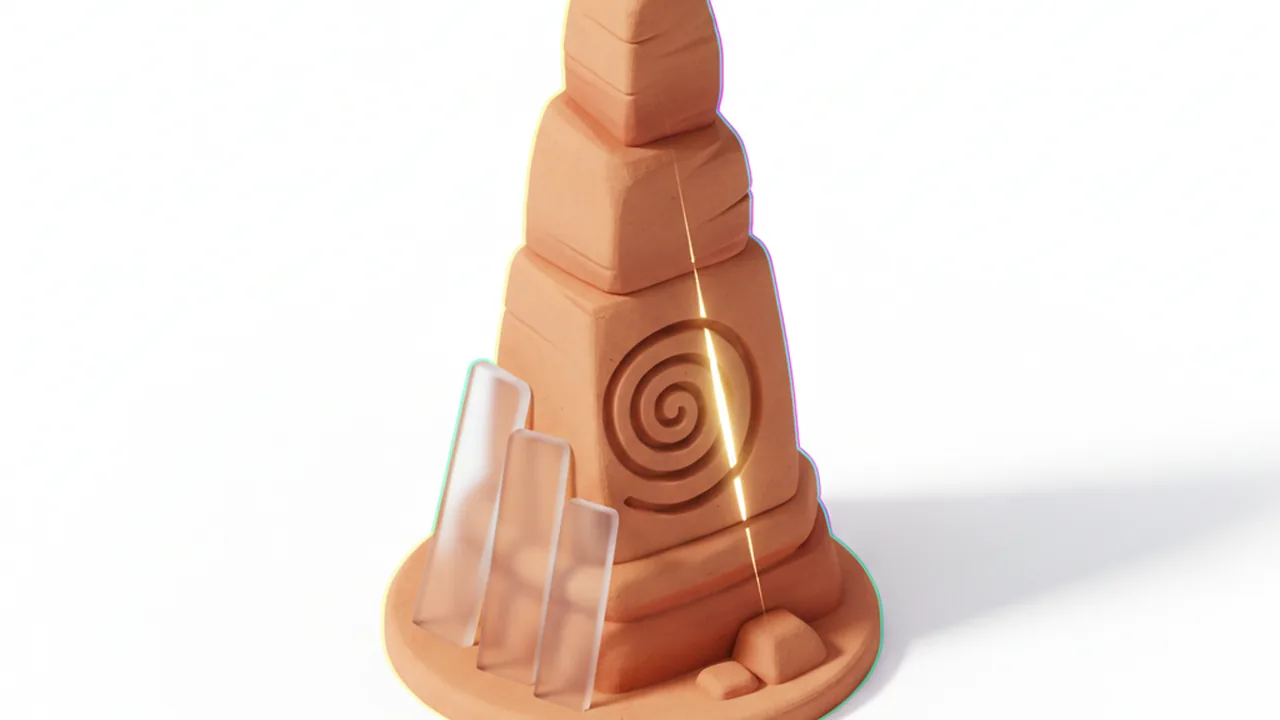
Chaco's Solar Alignments: A Site-by-Site Field Guide
Chaco's solar features are best understood one at a time: what each one points to, how it works, how certain we are, and what a visitor can actually see.
What Chaco Canyon Teaches Us About Indigenous Sky Knowledge
Chaco is often reduced to one famous light effect. Seen as a whole, it shows Ancestral Puebloan sky knowledge as a system that joined Sun, Moon, directions, buildings and community life.
Frequently asked questions
Why is Chaco Canyon important for astronomy?
Its great houses and kivas share recurring solar and lunar orientations, and Fajada Butte holds the Sun Dagger, one of the best-known light markers in North America.
Can you see the Sun Dagger today?
No. Fajada Butte has been closed to visitors since 1989 to protect the fragile site. Photographs and our viewer show how the light pattern works.
Is Chaco still a sacred place?
Yes. Many Pueblo and Navajo people consider Chaco ancestral and sacred. Visitors are asked to stay on trails and leave everything in place.

See the sky the way they did
Open a viewer, pick a date and watch the sunrise point move along a real horizon. Then download the guides and take them outside.