The Maya Yucatán: where cities were planned by the sky
On a flat limestone plain with a perfect horizon, Maya astronomers tracked the Sun, the Moon and Venus and wrote what they saw into calendars, books and buildings.
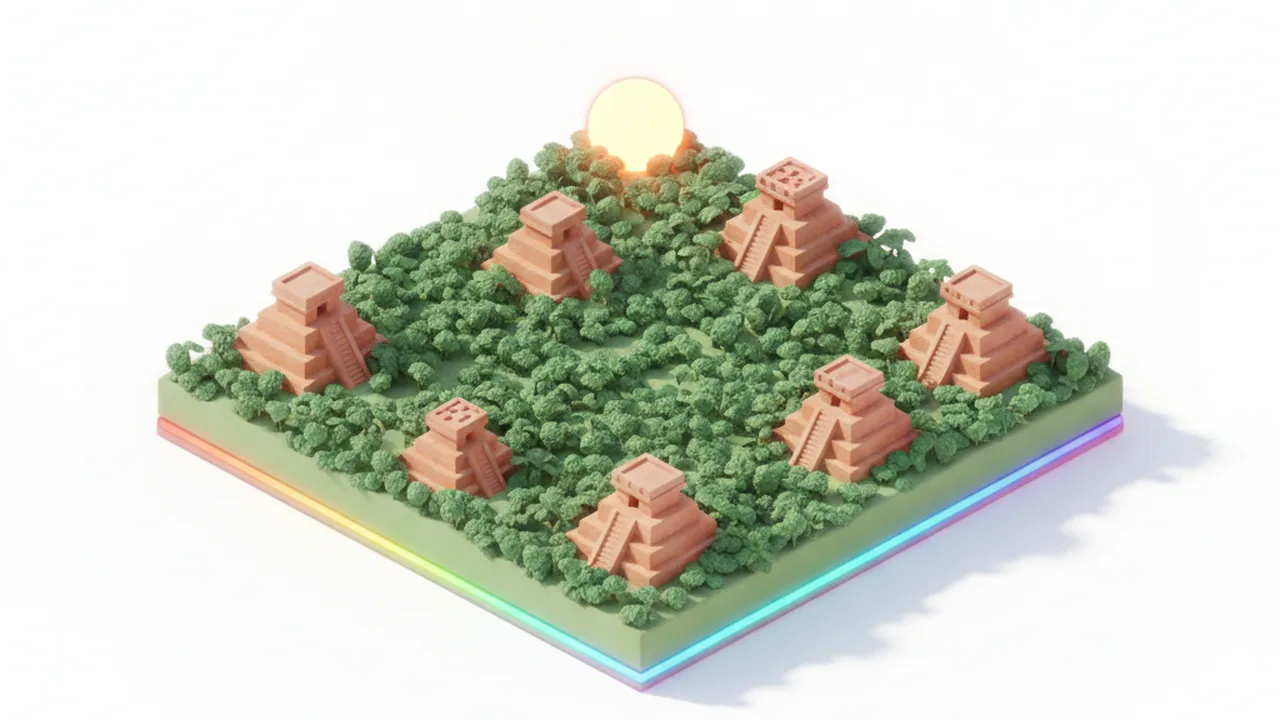
Interlocking calendars
The Haab’ and Tzolk’in run together and repeat the same pair of dates every 52 years.
Equinox serpent
At El Castillo, afternoon light draws a body of light down the northern staircase around the equinoxes.
Zenith passage
Twice a year the noon Sun stands overhead and an upright post casts no shadow.
5 articles on Maya Yucatán
Sourced field notes, each with key takeaways, a table and short answers.
Solar Observatories of the Yucatán: Chichén Itzá, Uxmal and Beyond
On the flat Yucatán plain there were few natural sunrise markers, so the Maya built their own. A site-by-site guide to the peninsula's sky-watching buildings.
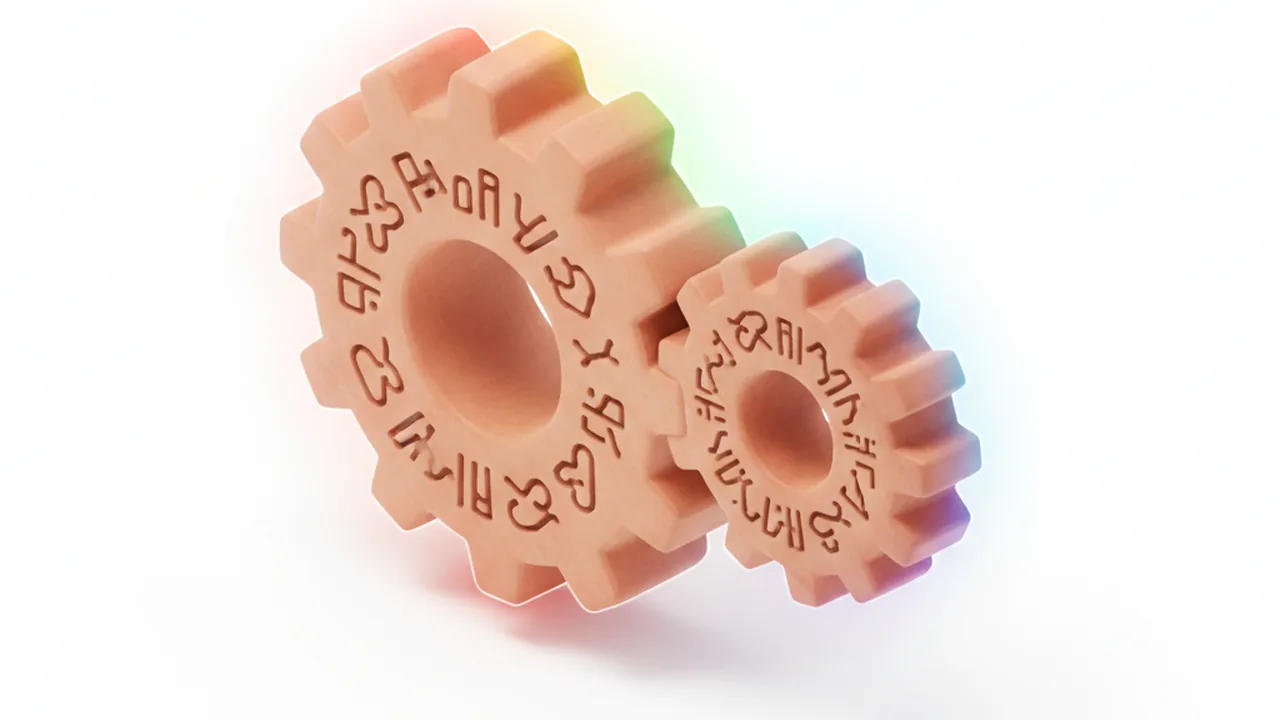
The Maya Calendar and the Solar Year: How Time Was Counted
The Maya ran several calendars at once. One followed the Sun, one followed a 260-day rhythm, and one counted days across millennia. Here is how they meshed.
Maya Astronomy Explained: Sun, Moon, Venus and the Count of Days
Without lenses or telescopes, Maya astronomers built calendars, Venus tables and eclipse warnings. Their tool was the count of days, kept for centuries.
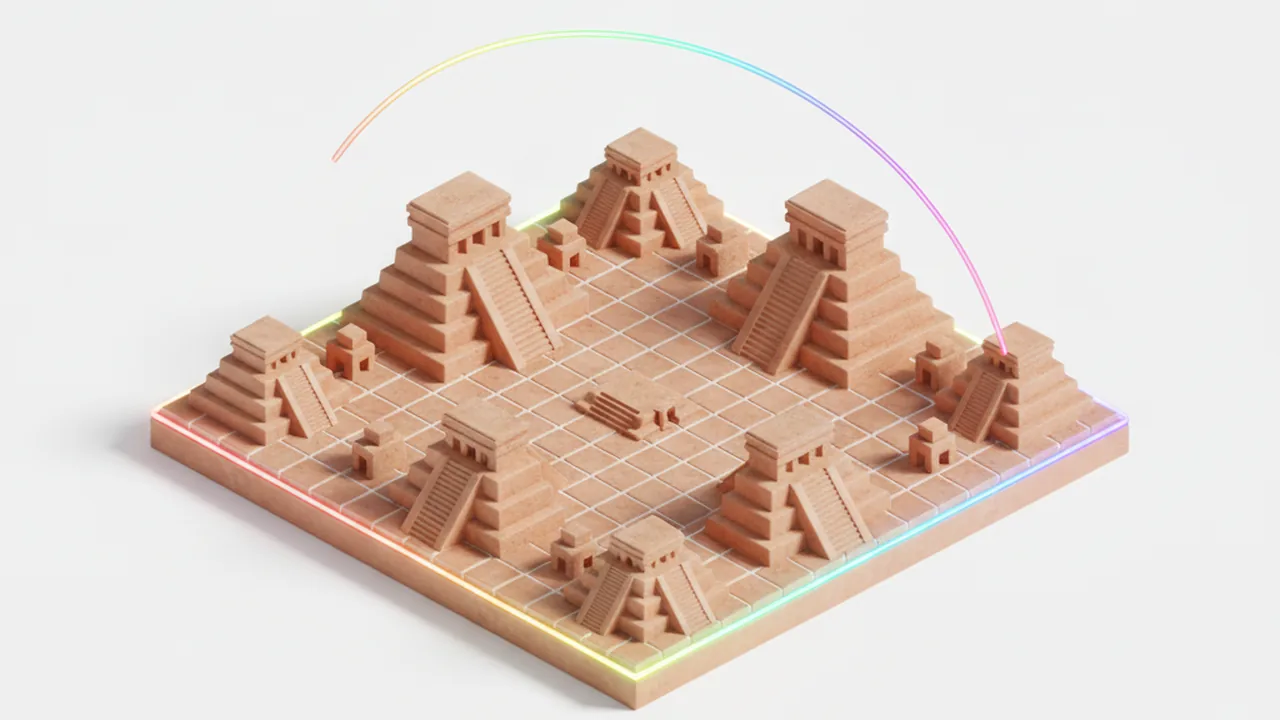
Built for the Sunrise: How the Maya Oriented Cities and Temples
Most Maya buildings do not face true north. Their slight skew is one of the best clues to how the Sun shaped the planning of plazas, temples and palaces.
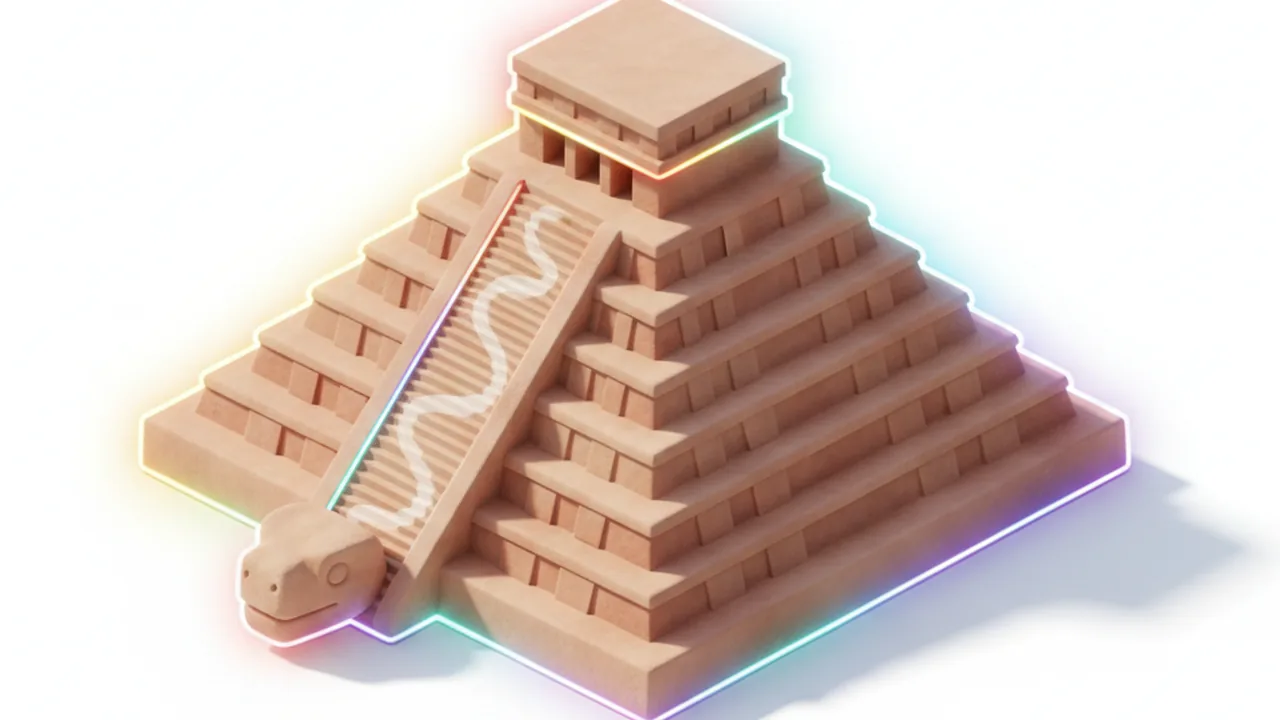
El Castillo's Equinox Serpent: How the Shadow Actually Works
Each spring and autumn, crowds gather at Chichén Itzá to watch light ripple down a stair rail. The effect has a clear geometric cause, and a more open question about intent.
Frequently asked questions
What is the Maya equinox serpent?
Around the equinoxes, the late-afternoon Sun casts triangles of light on the northern balustrade of El Castillo. With the carved serpent heads at the base, they read as a snake of light.
Did the Maya use one calendar?
No. They used several at once: the 365-day Haab’, the 260-day Tzolk’in, the 52-year Calendar Round and the Long Count for longer spans.
Do the Maya still exist?
Yes. Millions of Maya people live in Mexico, Guatemala and Belize, and some communities still keep the 260-day count.
See the sky the way they did
Open a viewer, pick a date and watch the sunrise point move along a real horizon. Then download the guides and take them outside.